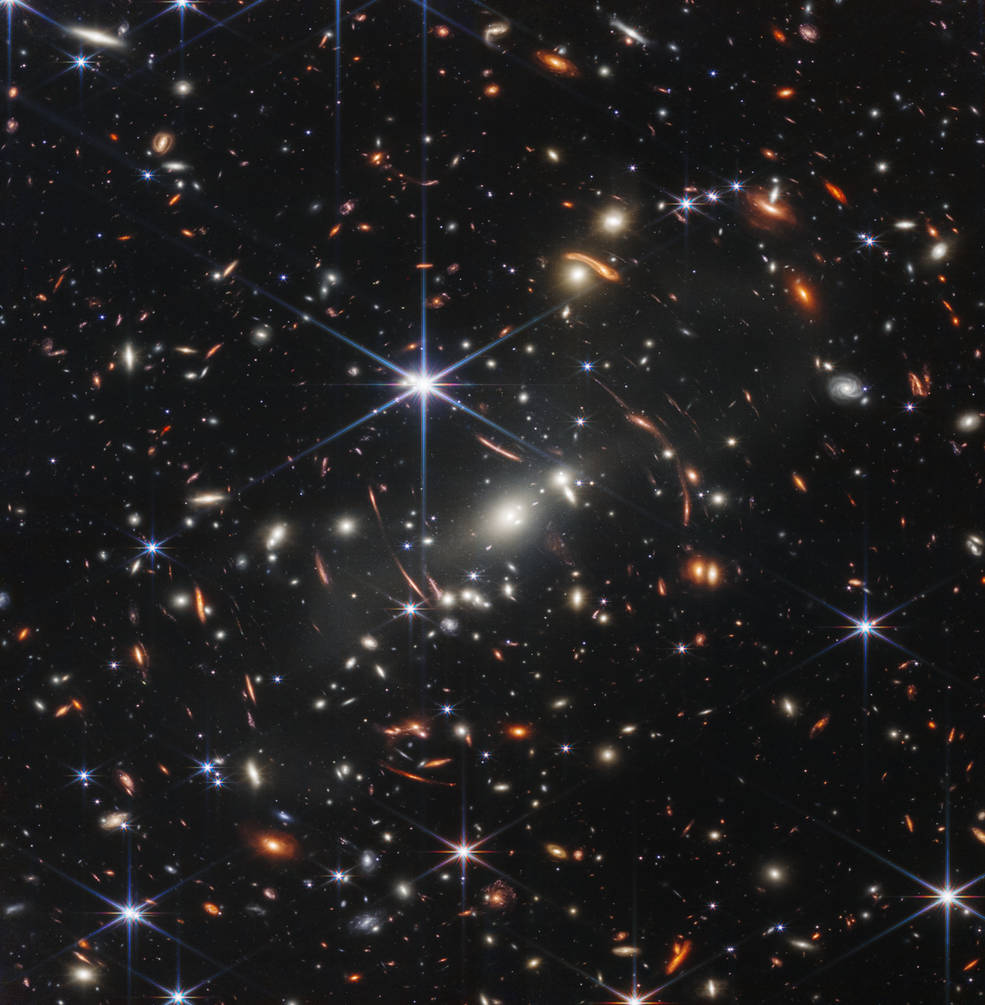
10 Bizarre Exoplanets You Won't Believe Exist
The universe is a vast and mysterious place, teeming with bizarre exoplanets that challenge our understanding of what planets can be like. From molten worlds to gaseous giants, here are two astonishing examples that will leave you questioning reality. The first on our list is HD 189733b, a planet 63 light-years away, where it rains glass sideways at supersonic speeds. This alien world has been described as a place where storms are ferocious, with winds reaching up to 5,400 mph, making a visit—if it were possible—absolutely treacherous.
Another truly strange exoplanet is 55 Cancri e, which is about twice the size of Earth and is believed to be a diamond planet. With temperatures soaring above 3,900 degrees Fahrenheit, this planet's surface is likely made up of graphite and diamond. Imagine a world where the very ground beneath your feet sparkles with precious stones! These two examples represent just a glimpse into the surreal and fascinating tapestry of bizarre exoplanets that exist beyond our solar system, each one more incredible than the last.
Counter-Strike is a first-person shooter video game that has gained massive popularity since its release. Players can choose to play as terrorists or counter-terrorists, engaging in various game modes like bomb defusal or hostage rescue. For those looking to enhance their gaming experience, we recommend checking out the Top 10 Samsung Galaxy Accessories to make sure your gear is up to par.
The Wacky World of Space Debris: What Happens to Our Old Satellites?
The wacky world of space debris presents a unique challenge for both scientists and engineers as they grapple with the remnants of our technological advancements. With thousands of defunct satellites orbiting Earth, the question arises: what happens to our old satellites? NASA estimates that there are more than 27,000 pieces of space debris larger than a football, which can pose significant risks to active satellites and the International Space Station. This junk can come from various sources, including satellite collisions, obsolete spacecraft, and even old rocket stages that have outlived their usefulness.
As the population of space debris continues to grow, several measures are being proposed to mitigate its impact. One of the leading ideas involves deorbiting old satellites to safely burn them up in the atmosphere. Additionally, new technologies such as space tugs and nets are being developed to capture and remove these aging satellites. However, the complexities of space traffic management require international cooperation and stringent regulations. As we dive deeper into the wacky world of space debris, understanding its implications and origins becomes essential to ensuring a sustainable future for space exploration.
Could We Encounter Alien Life? Exploring the Odds and Possibilities
The question of whether we could encounter alien life has stimulated human curiosity for centuries. With advancements in technology and space exploration, we are now able to explore the cosmos like never before. Scientists estimate that there could be billions of habitable planets in our galaxy alone, increasing the odds of finding extraterrestrial life. According to recent studies, factors such as the presence of water, suitable atmospheric conditions, and organic compounds are essential for life as we know it. As astronomers continue to discover exoplanets within the 'Goldilocks zone'—where conditions are just right for life—our chances of finding alien life forms grow ever more plausible.
However, the possibilities of encountering intelligent life raise profound questions. The famed Drake Equation attempts to calculate the number of active, communicative extraterrestrials in our galaxy by considering various factors such as the rate of star formation and the number of planets that could support life. Despite extensive searches for signals through programs like SETI (Search for Extraterrestrial Intelligence), we have yet to receive any definitive communication from alien civilizations. This leads to the 'Fermi Paradox,' which ponders why, if the universe is teeming with life, we have not yet made contact. Ultimately, whether we will encounter alien life remains one of the most compelling mysteries in science and prompts us to consider our place in the universe.